Hotel Kitchen Equipment List: A Complete Guide for Hotels in India

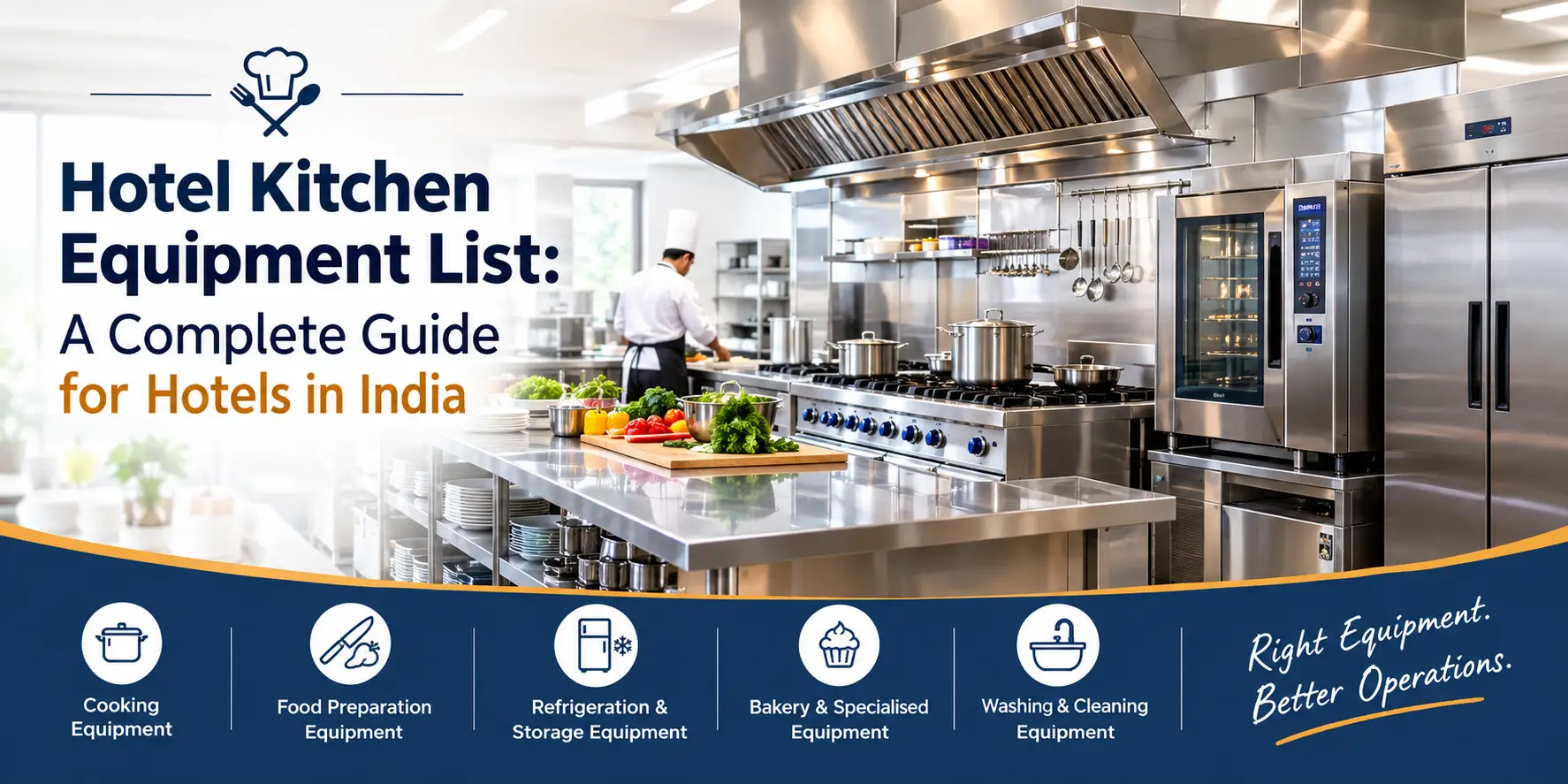
Planning a hotel kitchen takes more than choosing appliances. Owners need to consider the menu, the number of meals served each day, and how staff will move through the workspace. The needs of a small boutique hotel can be very different from those of a large property with a restaurant, banquet facilities, and a bakery.
A carefully prepared equipment list can help hotels focus on what they need, stay within budget, meet food safety requirements, and support efficient work. In this guide, JM Kitchen Equipment covers essential commercial kitchen equipment, what it’s used for, how to choose it, and how to keep it in good condition when setting up a hotel kitchen in India.
What Is a Hotel Kitchen Equipment List?
A hotel kitchen equipment list outlines the tools and facilities needed to prepare, cook, store, and serve food. It may cover everything from appliances and machinery to work surfaces, storage, and cleaning supplies.
The exact items vary based on the hotel’s food offerings, kitchen space, number of guests, meal volume, and style of service. A hotel serving Indian dishes, for instance, might use commercial ranges, oversized pots, a chapati-making machine, and prep tables. If it also sells baked goods, it may need equipment such as ovens and dough mixers.
Why Is the Right Kitchen Equipment Important?
Proper equipment selection assists hotels in ensuring consistent food quality and handling busy service periods.
Key advantages are:
- Improved productivity: Commercial appliances handle repetitive cooking and food preparation tasks.
- Better hygiene: Simple-to-clean stainless steel kitchen equipment keeps working surfaces spotless.
- Consistent cooking: Correct equipment allows for improved control of cooking temperatures and processes.
- Efficient storage: Commercial refrigerator ensures perishable ingredients are kept at recommended temperatures.
- Better space utilisation: Correct equipment placement eliminates unnecessary travel between workstations.
- Controlled operating costs: Energy-efficient equipment can contribute to lower electricity or fuel bills.
A well-designed kitchen simplifies staff training, cleaning, and equipment maintenance.
Complete Hotel Kitchen Equipment List
This list of hotel kitchen equipment includes the items that most hotels will need to equip their kitchen. Not every hotel will require every piece of equipment, so choose your equipment based on your menu and the volume you anticipate producing.
1. Cooking Equipment
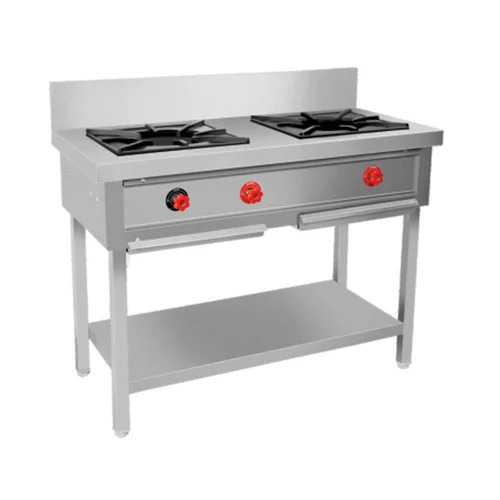
The heart of a hotel kitchen is the cooking equipment. It must be appropriate for the dishes cooked, the number of orders served, and the fuel or power supply available.
| Equipment | Main purpose |
| Commercial gas cooking range | Preparing multiple dishes simultaneously |
| Commercial induction | Controlled cooking and heating |
| Commercial deep fryer | Preparing fried snacks and food items |
| Griddle or hot plate | Cooking flatbreads, eggs, and grilled foods |
| Commercial oven | Baking, roasting, and finishing dishes |
| Tilting wet grinder or bulk cooking equipment | Supporting selected high-volume preparation tasks |
| Commercial kitchen chimney or exhaust hood | Removing heat, smoke, and cooking vapours |
Hotels serving Indian cuisine may also need a tandoor, dosa plate, idli steamer or a special cooking range.
2. Food Preparation Equipment
Food preparation equipment eliminates repetitive manual work and enables kitchen staff to speed up the preparation of ingredients.
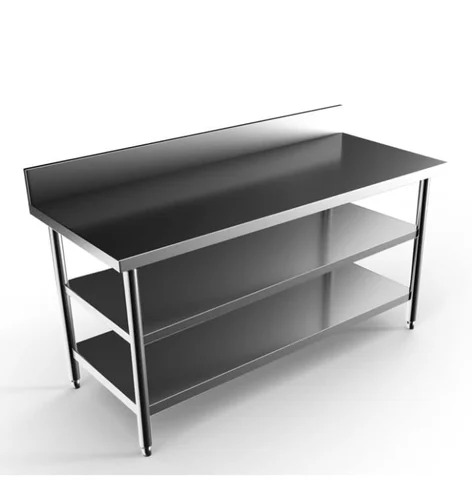
Common equipment includes:
- Vegetable cutting machine
- Commercial food processor
- Dough kneader
- Potato peeler
- Mixer grinder
- Meat slicer, if required
- Stainless steel preparation tables
- Chopping boards and food-grade containers
For hotels that produce large quantities of chapatis, a chapati making machine can help to standardize production and reduce manual work. The capacity of the machine must be in line with actual demand.
3. Refrigeration and Storage Equipment
Adequate refrigeration is necessary to protect the perishable ingredients and to preserve the quality of the food.
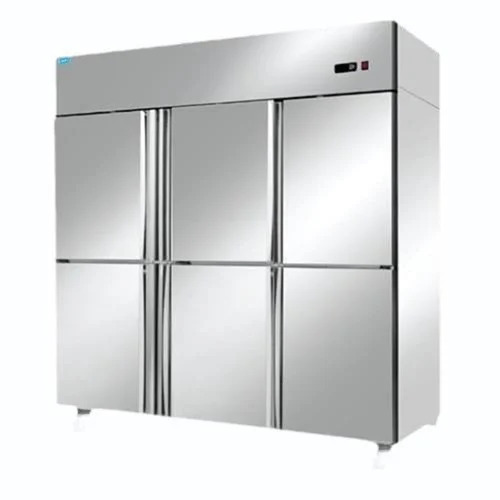
| Equipment | Application |
| Commercial refrigerator | Storing vegetables, dairy, and other chilled ingredients |
| Commercial deep freezer | Storing suitable frozen food products |
| Under-counter refrigerator | Keeping frequently used ingredients near workstations |
| Refrigerated display counter | Displaying selected chilled foods |
| Dry storage racks | Organising packaged ingredients and kitchen supplies |
| Ingredient bins | Storing dry ingredients in covered containers |
Select your refrigeration capacity based on the size of your daily deliveries, the needs of your menu, storage methods, and the amount of space you have.
4. Bakery and Specialised Equipment
Hotels that make breads, cakes, pastries, or desserts may also need additional equipment.
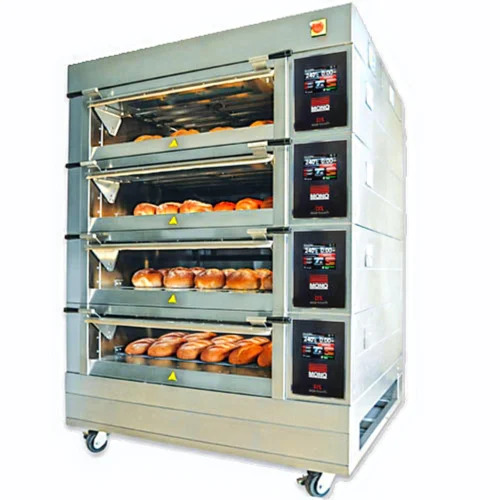
Common bakery equipment:
- Deck oven or convection oven
- Dough mixer
- Planetary mixer
- Baking trays and moulds
- Proofing cabinet
- Worktable for dough preparation
- Bakery refrigerator, if required
Hotels with coffee shops may also need cafe kitchen equipment like commercial coffee machines, grinders, blenders, and beverage refrigerators.
5. Washing and Cleaning Equipment
A clean kitchen requires proper washing equipment and a well-designed cleaning process.
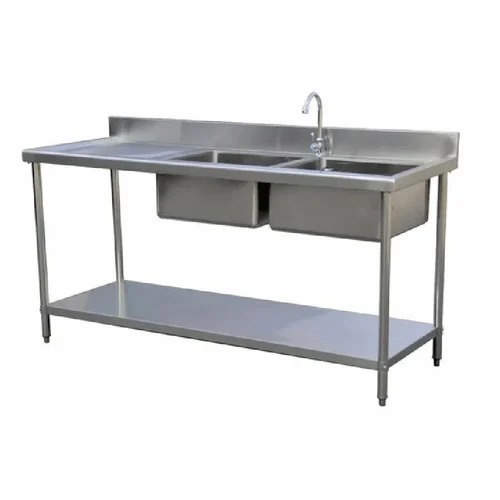
Add the following to your hotel equipment list:
- Commercial stainless steel sink
- Pot-washing sink
- Dishwashing machine, if required
- Drainage and waste collection systems
- Cleaning tool storage
- Food-safe cleaning supplies
- Handwashing facilities
Sinks must be sized and positioned according to the kitchen’s work process and relevant hygiene requirements.
How to Select the Equipment for Hotel Kitchen
Before you buy hotel kitchen equipment, doing these:
Step 1: Finalize your menu: Decide on the dishes, the required cooking methods and daily preparation work.
Step 2: Estimate meal volume: Project the number of orders for breakfast, lunch, dinner, room service and banquet .
Step 3: Measure the available space: Consider the size of the equipment, the flow of movement for staff, ventilation, access for cleaning and routes of service.
Step 4: Inspect utilities: Check for electricity load, gas line, water source, drainage and ventilation demand.
Step 5: Compare equipment specifications: Consider size, material quality, convenience of cleaning, power consumption, warranty and after-sales service support.
Step 6: Plan installation: Position the equipment following the workflow of preparation, cooking, storage, washing, and serving.
When outfitting a new hotel kitchen, it’s best to select your equipment in conjunction with your kitchen designer and installation team to prevent costly re-arrangements down the road.
Types of Hotel Kitchen Equipment
Hotel kitchen equipment can be categorized into 4 functional categories:
- Heavy-duty equipment: Commercial cooking ranges, bulk cooking units, large ovens, and high-capacity refrigeration.
- Food preparation equipment: Cutters, mixers, grinders, and dough preparation machines.
- Storage equipment: Refrigerators, freezers, dry storage racks, and ingredient containers.
- Service and sanitation equipment: Worktables, sinks, dishwashers, and waste management units.
Some hotels require a separate baking, banquet prep area, or drink station.
How Much Does Hotel Kitchen Equipment Cost in India?
The cost of a hotel kitchen depends on the number of appliances, their capacity, material specifications, automation level, and installation requirements.
Typically, a small hotel kitchen will need a different investment than a large hotel kitchen that serves hundreds of meals a day.
Budgeting for your kitchen, you need to factor in:
- Cost of equipment purchase
- Custom fabrication and stainless steel work
- Delivery and installation
- Gas bank and exhaust ducting
- Electrical and plumbing modifications
- Warranty, maintenance, and spare parts
Itemised quotations from several hotel equipment merchants should be requested and specifications compared, not just prices. Prices vary by model, capacity and requirement, so actual costs should be verified with suppliers.
Common Buying Mistakes to Avoid
Don’t make these mistakes while making a hotel kitchen equipment list:
- Purchasing equipment before the menu is set.
- Purchasing equipment that has too little capacity.
- Neglecting to consider ventilation and exhaust needs.
- Disregarding electrical load, gas line hook ups, and waste.
- When deciding on equipment, be sure to consider how easy it is to clean.
- Not paying attention to the warranty conditions and value added after sales service.
- Purchasing specialized equipment that your kitchen never or seldom uses.
For instance, a hotel kitchen preparing a large number of Indian dishes would find a better return on investment in a quality cooking range along with chapati making equipment rather than buying several specialised machines serving a minority of the dishes on the menu.
Maintenance Guide for Hotel Kitchen Equipment
The regular maintenance prolong the life of the equipment and the service downtime is less unexpected.
- Cook ranges, worktables and food-contact surfaces should be cleaned after each use.
- Refrigeration temperatures should be monitored and food should be stored safely.
- Grease on exhaust hoods and filters should be cleaned off as per the cleaning schedule.
- Have the gas connections and electrical equipment checked by a professional.
- Descale and clean the dishwashing machine as listed in your manufacturers instructions.
- Maintain service records and schedule preventive maintenance.
- The staff should be trained to use every machine as per the manual.
Hotels should comply with food safety, fire safety, electrical safety and local installation requirements as relevant. Where necessary, the installation and servicing of equipment must be carried out by a competent person.
Hotel Kitchen Equipment Comparison: Features and Uses
| Equipment type | Best suited for | Key consideration |
| Commercial gas range | Indian and multi-cuisine hotels | Burner capacity and ventilation |
| Commercial induction | Controlled cooking and selected workstations | Electrical load and compatible cookware |
| Commercial refrigerator | Chilled ingredient storage | Capacity and temperature control |
| Deck oven | Bakeries and hotel baking operations | Tray size and baking volume |
| Chapati making machine | High-volume chapati production | Output capacity and dough compatibility |
| Stainless steel worktable | Preparation and assembly | Dimensions, construction, and cleanability |
Conclusion
A hotel kitchen equipment list guides hotel owners to design their kitchen as per menu, number of meals to be prepared, space, hygiene, and budget. The right mix of cooking appliances, food preparation machines, refrigeration, storage, and cleaning equipment can streamline the workflow and ensure continuous food production.
Before buying equipment, you should first freeze your menu, determine peak demand, check utility requirements, and compare product specifications. Don’t buy unnecessary machines or skimp on required safety and maintenance.
JM Kitchen Equipment offers commercial kitchen equipment solutions to food businesses in India. Visit jmkitchenindia.com to check out equipment options and request for a consultation for your hotel kitchen.
Frequently Asked Questions
Which material is best for hotel kitchen equipment?
Food-grade stainless steel is widely used for worktables, sinks, and preparation surfaces because it is durable, corrosion-resistant, and relatively easy to clean.
Is a commercial refrigerator necessary for hotels?
Most hotels handling perishable ingredients need suitable refrigeration to maintain food quality and safe storage temperatures. Capacity depends on menu and daily stock levels.
How much does a hotel kitchen setup cost in India?
Costs vary with kitchen size, equipment specifications, fabrication, installation, and utility work. Obtain itemised quotations based on your actual project requirements.
Why is ventilation important in a hotel kitchen?
Proper ventilation removes heat, smoke, grease-laden vapours, and cooking odours while supporting a safer and more comfortable working environment.
How often should hotel kitchen equipment be maintained?
Clean equipment after use and inspect it regularly. Follow manufacturer-recommended servicing intervals and arrange immediate checks when safety or performance problems arise.
How can I find a reliable hotel kitchen equipment supplier?
Compare product specifications, manufacturing quality, installation experience, warranty terms, customer references, and after-sales support before selecting a supplier.